2026 International Student Guide to Sydney: Cost of Living, Universities & Lifestyle
Planning to study in Sydney in 2026? This comprehensive guide covers everything from updated living costs and top university options to accommodation strategies and student lifestyle tips for international students.
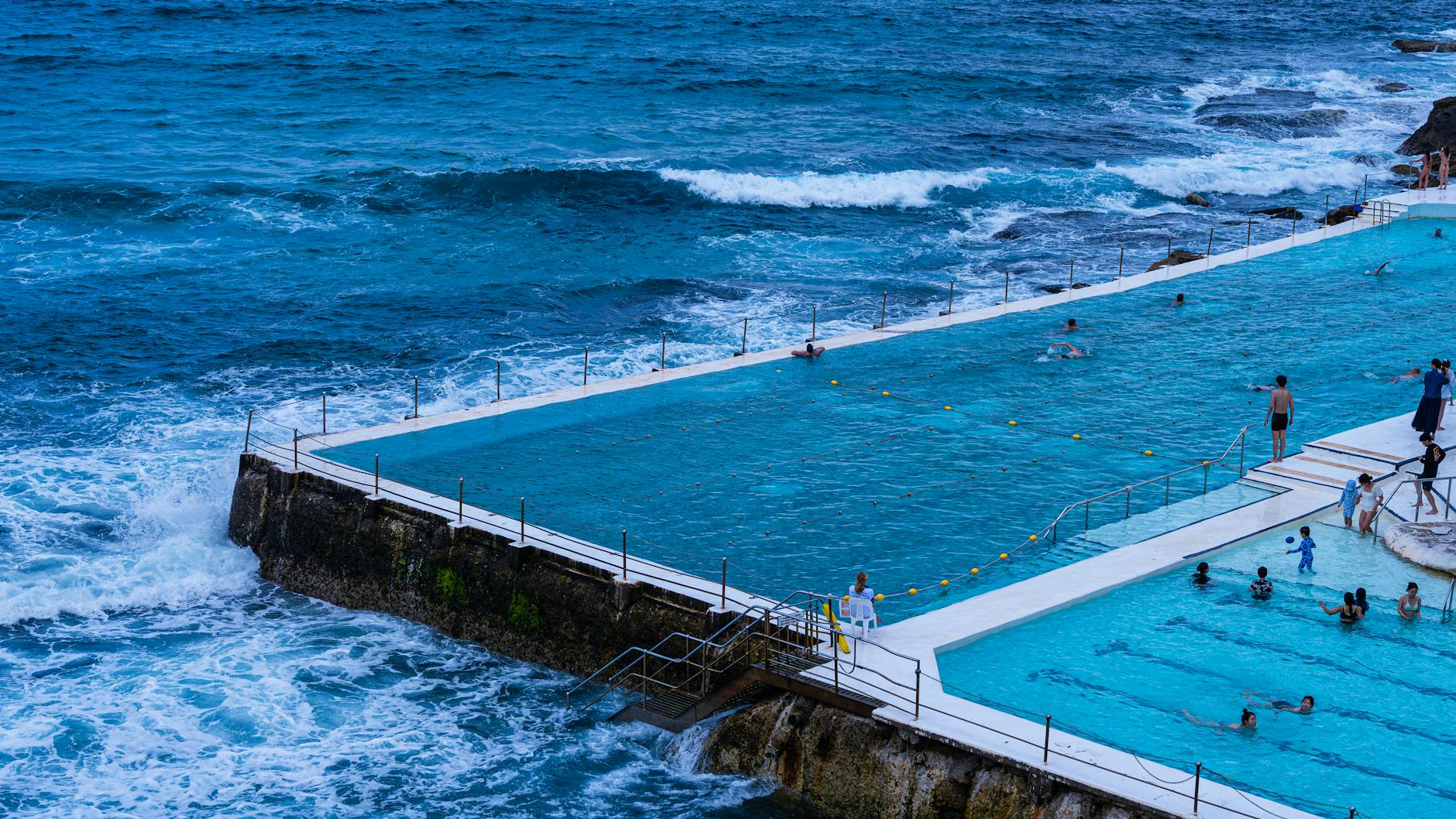
Sydney remains one of the world’s most sought-after destinations for international students, consistently ranking among the top ten cities globally for student experience. According to the QS Best Student Cities 2026, Sydney scored exceptionally high in the desirability and student mix indicators, reflecting its vibrant multicultural environment. The Australian Department of Home Affairs reported that international student visa lodgments for New South Wales increased by 14.3% in early 2026 compared to the previous year, signalling strong post-pandemic recovery and sustained interest. This guide provides a detailed, data-driven overview of what you can expect when planning your educational journey to Australia’s largest and most iconic city.
Understanding the True Cost of Living in 2026
Financial planning is critical for international students, and Sydney is often cited as Australia’s most expensive city. However, understanding the breakdown of expenses can help you budget effectively and avoid surprises. The Australian Government’s Study Australia website now recommends a baseline annual living cost of AUD $24,505 for a single student, though this figure can fluctuate based on lifestyle choices and accommodation type. We will dissect the major spending categories using the most recent 2026 data, helping you build a realistic and manageable financial plan before you even board your plane.
Accommodation Costs: On-Campus vs. Private Rentals
Housing will likely be your single largest expense. The rental market in Sydney has seen significant shifts. As of Q1 2026, the median weekly rent for a one-bedroom apartment in the city centre is approximately AUD $780, a figure reported by the Domain Rental Report. This high cost pushes many students toward shared accommodation or purpose-built student housing. On-campus residential colleges and halls of residence offer a convenient, albeit sometimes costly, alternative. These options typically range from AUD $350 to $650 per week, often including utilities, internet, and meals, which can simplify budgeting.
The most popular choice for cost-conscious students is a room in a shared house or apartment in suburbs slightly further from the centre. Suburbs like Burwood, Ashfield, and Marrickville offer strong public transport links and median room rents between AUD $280 and $400 per week. When searching, be cautious of hidden costs and always inspect properties via video call if you are overseas. The NSW Fair Trading website provides a mandatory checklist and a sample tenancy agreement, which are essential resources for understanding your rights regarding bond (security deposit) lodgement with the Rental Bonds Online service and the condition report process.
Food, Transport, and Lifestyle Expenses
Beyond rent, your weekly budget will need to cover food, transport, and entertainment. A single student can expect to spend between AUD $120 and $200 per week on groceries if cooking at home, with popular supermarkets like Coles, Woolworths, and the more affordable Aldi dominating the market. Eating out can quickly drain your funds; a basic meal at an inexpensive restaurant costs around AUD $25, while a takeaway coffee is typically AUD $5.00 to $5.50.
Sydney’s Opal card system provides integrated access to trains, buses, ferries, and light rail. The weekly cap for an adult Opal card is AUD $50, meaning you won’t pay more than this for unlimited travel across all modes of transport within the Opal network from Monday to Sunday. International students are not eligible for a concession Opal card, so you must budget for the full adult fare. A practical tip is to live within walking or cycling distance of your campus to minimise this cost. Don’t forget to factor in a monthly mobile phone plan (around AUD $30-$50) and internet if not included in your rent.
Navigating Sydney’s Top Universities and Courses
Sydney is home to several globally ranked universities, each with distinct strengths and campus cultures. The QS World University Rankings 2027 place two Sydney institutions within the top 50 worldwide, underscoring the city’s academic prestige. Your choice of university will profoundly impact your social life, career prospects, and even your preferred residential area. It’s not just about the brand name; the course structure, industry connections, and campus location are equally vital. Let’s examine the key players and what they offer to international students in 2026.
The University of Sydney and UNSW Sydney
The University of Sydney, a sandstone institution founded in 1850, is renowned for its research output and programs in arts, humanities, medicine, and law. Its Camperdown/Darlington campus is a blend of neo-Gothic architecture and modern facilities, located just a short bus ride from the CBD. For 2026, the university has expanded its Sydney Undergraduate Scholarship offerings for high-achieving international students from diverse regions.
In contrast, the University of New South Wales in Kensington is celebrated for its strong focus on science, technology, engineering, and business. UNSW’s trimester system allows for a flexible study pace, and its UNSW Founders program is a launchpad for student startups, reflecting its entrepreneurial spirit. Both universities require robust English language proficiency, typically an IELTS score of 6.5 to 7.0 overall, though specific courses may demand higher. Tuition fees for international undergraduates in 2026 range from AUD $45,000 to $55,000 per year for most programs, with medicine and veterinary science costing significantly more.
UTS, Macquarie, and Western Sydney University
The University of Technology Sydney is a dynamic institution in the heart of the CBD’s southern precinct, known for its practice-based learning model and striking Frank Gehry-designed business school. Its courses in nursing, design, and IT are particularly well-regarded and feature strong industry internships. Macquarie University, situated in the city’s north with its own train station, offers a sprawling, green campus and is famous for its Master of Translation and Interpreting and actuarial studies programs. It also houses a major teaching hospital and a high-tech innovation district.
Western Sydney University is one of the world’s top young universities, with multiple campuses across Greater Western Sydney, including Parramatta, the city’s “second CBD.” It consistently scores highly in the Times Higher Education Impact Rankings for its commitment to social equity and sustainability. WSU offers competitive tuition fees and a range of pathway programs for students who may not meet direct entry requirements. When comparing courses, use the official Commonwealth Register of Institutions and Courses for Overseas Students website to ensure your chosen program is registered and eligible for a student visa.
The Student Visa and Work Rights in 2026
Securing your visa is the most critical administrative step. The primary visa for international students is the Student Visa (subclass 500) . For 2026, the Australian Government has maintained the post-pandemic work hour flexibility, but with specific conditions. You must have a Confirmation of Enrolment from your institution, hold Overseas Student Health Cover for the entire duration of your visa, and meet the Genuine Student requirement. The application process is managed entirely online through the Department of Home Affairs’ ImmiAccount portal.
As of mid-2026, student visa holders can work up to 48 hours per fortnight during study periods and unlimited hours during recognised university holidays. The national minimum wage is AUD $24.10 per hour, providing a substantial opportunity to offset living costs. However, it’s crucial to balance work with your academic commitments, as failing courses can jeopardise your visa status. Your payslip must show your tax file number, employer details, and superannuation contributions, which you can reclaim when you leave Australia permanently via the Departing Australia Superannuation Payment scheme.
Mastering the Art of Student Accommodation
Finding the right place to live requires strategy and an awareness of local pitfalls. The rental market in Sydney is highly competitive, especially in February and July when new students arrive. You will need a 100-point identification check ready, which includes your passport, visa grant notice, and evidence of enrolment. A rental history from a previous country can be helpful, but first-time renters often need to provide a larger bond or a guarantor. The Tenants’ Union of NSW is an invaluable, free advisory service that can help you understand your lease before signing.
Consider using reputable platforms like Flatmates.com.au or Domain for private rentals. University accommodation offices also maintain lists of trusted private providers and can mediate disputes. Beware of rental scams, which often involve requests for upfront payments before you’ve seen the property or signed a contract. Never transfer money via untraceable methods. A legitimate process will always involve a formal tenancy agreement, a detailed condition report, and a bond lodged securely with the NSW government, not paid directly to the landlord’s personal account.
Embracing the Sydney Lifestyle and Culture
Life as a student in Sydney extends far beyond the lecture theatre. The city’s natural beauty is its most defining feature, from the iconic Bondi to Coogee coastal walk to the serene ferry rides across Sydney Harbour to Manly. A significant part of your experience will be enjoying these public spaces, which are largely free. The Royal Botanic Garden, the coastal rock pools, and the many weekend markets like Glebe Markets offer low-cost leisure activities that are central to the local lifestyle.
Sydney’s multicultural fabric is reflected in its food scene. You can find authentic, affordable cuisines from Vietnamese in Marrickville to Lebanese in Lakemba and Chinese in Burwood. This diversity also means you will find student clubs and cultural associations for almost every nationality, providing a ready-made community to combat homesickness. Attending events like Vivid Sydney, a festival of light, music, and ideas, or the Sydney Festival in January, can enrich your cultural understanding. The key is to integrate these experiences into your routine without letting them overwhelm your study schedule.
FAQ: Your Sydney Study Questions Answered
What is the minimum bank balance required for a student visa? You must demonstrate you have genuine access to at least AUD $24,505 for living costs, plus one year’s tuition fees, return airfare (approximately AUD $2,000), and school fees for any dependents. This can be shown through bank statements, a loan sanction letter, or a scholarship award.
Can I bring my family with me on a student visa? Yes, you can include your partner and dependent children in your visa application. You will need to prove you have additional funds to cover their living costs, which is AUD $8,574 for a partner and AUD $3,670 per child annually. School-aged children will need to pay for public schooling in NSW.
Is the IELTS the only accepted English test? No. The Department of Home Affairs accepts several tests, including TOEFL iBT, PTE Academic, Cambridge English (C1 Advanced), and the Occupational English Test. Score equivalencies vary, so check the specific requirements of both your university and the visa office.
How can I open a bank account before arriving? Most major Australian banks, including Commonwealth Bank, Westpac, ANZ, and NAB, allow you to open an account online up to 12 months before you arrive. You can transfer funds, but you won’t be able to withdraw them until you verify your identity in person at a branch after landing.
Key Resources and References
For the most accurate and up-to-date information, always refer to official government and institutional sources:
- Study Australia (Australian Government): Official guide for international students covering visas, costs, and scholarships.
- Department of Home Affairs: For all visa requirements, conditions, and the ImmiAccount application portal.
- NSW Fair Trading: Essential for understanding your tenancy rights and responsibilities.
- CRICOS: The official register to check if your course is approved for international students.
- Overseas Student Ombudsman: A free, independent complaint investigation service for problems with private education providers.
Partner links. Using them costs you nothing extra and may earn us a commission.