2026 Ultimate Guide to Australian Working Holiday Visas: Eligibility, Application & Tips
Navigate the 2026 Australian Working Holiday visa process with confidence. Discover the latest eligibility criteria, step-by-step application guides, and essential tips for a life-changing year Down Under.
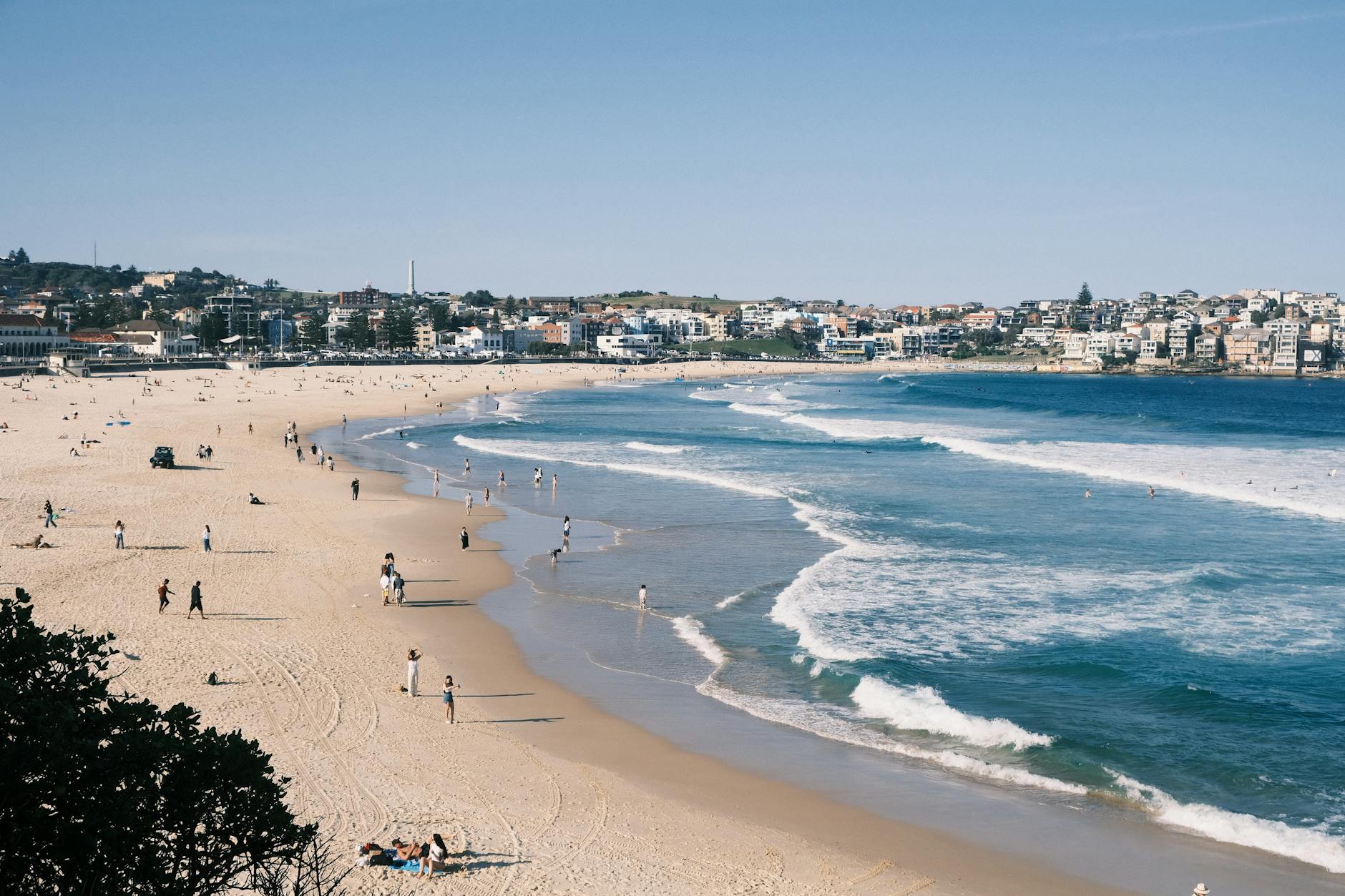
Australia’s Working Holiday Maker program remains a cornerstone for young adults seeking adventure and professional experience abroad. In the 2025-26 fiscal year, the Department of Home Affairs has allocated a record number of places for partner countries, reflecting a post-pandemic surge in youth mobility. According to the Department of Home Affairs’ 2026 Migration Program Planning Levels, over 150,000 first-year Working Holiday visas are projected to be granted, a 15% increase from pre-2020 averages. This guide demystifies the 2026 visa requirements, ensuring you can transition from planning to living your Australian dream without bureaucratic headaches.
Understanding the Two Core Visa Subclasses
The program is split into two distinct visas: the Subclass 417 (Working Holiday) and the Subclass 462 (Work and Holiday) . Your passport determines which one you need, and the differences go beyond a single word.
If you hold a passport from countries like the United Kingdom, Canada, Germany, Japan, or South Korea, you will apply for the Subclass 417 visa. This category generally offers more flexibility regarding specified work requirements. Conversely, citizens from countries including China, the United States, India, and Argentina must apply for the Subclass 462 visa. The 462 stream often includes additional educational requirements or English language testing, depending on your nationality. Checking the specific legislative instrument for your country on the Department of Home Affairs website before you begin is non-negotiable.
2026 Eligibility: Age, Funds, and New Requirements
The fundamental eligibility criteria have seen significant updates in 2026. While the core principle remains—you must be aged between 18 and 30 inclusive at the time of application—a major expansion has occurred for specific nationalities. As of early 2026, the age limit for UK and Irish passport holders has been permanently raised to 35, aligning with the Australia-UK Free Trade Agreement. Canadian citizens can also now apply up to age 35 under the expanded youth mobility arrangement signed in late 2025.
Financial proof remains a critical checkpoint. You must demonstrate access to sufficient funds, typically a minimum of AUD $5,000, to support your initial stay. This is not just a bank balance snapshot; immigration officers require evidence of either a return flight ticket or additional funds (usually an extra AUD $1,000) to purchase one. A 2026 survey by the Australian Tourism Export Council found that 12% of visa refusals stemmed from unclear bank statements, so ensure your financial documents are in English and show consistent savings history.
Health and Character Declarations
All applicants must meet strict health and character requirements. Depending on your country of origin and intended activities—such as working in a hospital or school—you may need a chest x-ray or full medical examination. The My Health Declarations service via ImmiAccount now processes these requests within 5 business days for low-risk nationalities. Character checks demand a clean criminal record; any conviction, no matter how minor, must be declared. The 2026 policy update enforces mandatory police certificates for any country you have lived in for 12 months cumulatively over the last 10 years, even if it is your home country.
A Step-by-Step Guide to the Application Process
The application process is entirely online via the ImmiAccount portal. Before starting, scan color copies of your passport bio-data page, birth certificate, and any name change documents. The Department of Home Affairs reported a 20% faster processing time in Q1 2026 for applications with pre-uploaded documents compared to those submitted later.
First, create or log into your ImmiAccount. Select “New Application” and choose the correct stream: “Working Holiday Visa (417)” or “Work and Holiday Visa (462)”. The form will dynamically adjust based on your passport country. You must pay the Visa Application Charge (VAC) at the time of lodgement; as of July 2025, the base fee is AUD $650, though currency fluctuations and credit card surcharges apply.
Navigating the Specified Work Declaration
A common point of confusion is the “specified work” section. For a first-year visa, you generally do not need to have completed specified work unless you are claiming an extension from a previous visa. However, the application asks if you intend to undertake specified work in regional Australia. Answering “yes” does not lock you into a contract, but indicating an awareness of regional work options can be viewed positively. After submitting, you will receive a bridging visa notification if your current substantive visa expires before a decision is made.
Maximizing Your Stay: Regional Work and Second-Year Visas
The allure of a second year in Australia is powerful, and the specified work requirement is the gatekeeper. To qualify for a second Working Holiday visa, you must complete 88 days (or three months) of specified work in designated regional areas while on your first visa. The definition of “specified work” was refined in the 2026 Migration Amendment to stabilize the agricultural workforce.
Eligible sectors include agriculture, fishing, pearling, mining, and construction. A crucial 2026 update clarifies that disaster recovery work, previously a temporary COVID-era measure, is now a permanently recognized category for specified work in declared natural disaster zones. Tourism and hospitality in northern or remote Australia also count, but only for specific postcodes. You must provide verifiable payslips, a completed Form 1263, and detailed employer references. The Australian Taxation Office now shares income data directly with Immigration to verify claims, eliminating fraudulent applications.
The Third-Year Visa Pathway
For those truly captivated by the Australian lifestyle, a third-year visa is available. You must complete six months of specified work during your second year. Significantly, the 2026 policy allows this work to be spread across multiple employers and does not require it to be consecutive. This flexibility lets you move between harvest seasons in different states, from mango picking in the Northern Territory to vintage work in South Australia’s Barossa Valley, without losing eligibility.
Health Insurance and Tax File Number Essentials
Overseas visitors are not covered by Australia’s Medicare system. You must maintain adequate health insurance for the entire duration of your stay. The Department of Home Affairs’ condition 8501 is strictly enforced; a lapse in coverage can lead to visa cancellation. Several providers offer specific Working Holiday cover that includes emergency ambulance, hospital, and repatriation.
Upon arrival, your first administrative task is to apply for a Tax File Number (TFN) from the Australian Taxation Office. Without a TFN, your employer must withhold tax at the top marginal rate of 45%. You can apply online once you are in Australia, and the number is usually issued within 10 business days. Remember, you also need to set up an Australian bank account. The “Big Four” banks—Commonwealth Bank, Westpac, ANZ, and NAB—all offer migrant banking packages that can be partially set up from overseas up to 12 months before arrival.
Common Pitfalls and How to Avoid Them in 2026
The most frequent reason for visa application delays is incomplete documentation. The 2026 ImmiAccount system uses a checklist that must show all items as “Recommended” or “Required” before final submission. Ignoring a “Recommended” document, like a Form 80 (Personal particulars for character assessment), can trigger a manual review that adds months to processing.
Another pitfall involves the “no further stay” condition. While rare on initial Working Holiday visas, if you have a complex immigration history, your visa might be granted with Condition 8503. This prevents you from applying for most other visas while in Australia. If you see this condition on your grant notice, you must depart Australia to apply for a new visa. Always read the grant letter in its entirety. Finally, never book non-refundable flights before your visa is granted. While 90% of applications are processed in under 30 days, technical glitches or high seasonal demand can cause delays.
FAQ: Your 2026 Working Holiday Visa Questions Answered
Can I work for the same employer for the entire year? No. A core condition of the Working Holiday visa is that you can only work for any one employer for a maximum of six months. This rule ensures the program retains its cultural exchange focus. Some exceptions apply if you work in different locations for the same company, but you must seek explicit permission from the Department.
What happens if my visa expires while I am still in Australia? Overstaying your visa by even one day has serious consequences. You become an unlawful non-citizen, which can lead to detention, deportation, and a three-year exclusion period from re-entering Australia. If your visa is about to expire and you have not completed your specified work, you must either apply for a new visa (if eligible) or depart the country. A Bridging Visa E may be granted if you are making arrangements to leave.
Is the educational requirement the same for all 462 visa holders? No, it is country-specific. For example, applicants from the United States must hold a high school diploma, while applicants from China generally require a post-secondary qualification. The 2026 legislative instrument removed the educational requirement for Indian nationals, reflecting the deepening bilateral relationship. Always check the exact requirements for your passport country.
Can I study while on a Working Holiday visa? Yes, you can undertake study or training for up to four months. This is a great way to gain a local qualification, such as a barista course, diving certification, or a short business program. However, you cannot enroll in a long-term degree program on this visa.
How does the 2026 visa differ for UK citizens? UK citizens now enjoy the most generous terms under the Australia-UK Free Trade Agreement. They can apply up to age 35, are exempt from specified work requirements to access a second and third visa, and the six-month work limitation with one employer has been relaxed under certain circumstances, allowing for longer professional placements.
References and Official Resources
- Department of Home Affairs: Working Holiday Maker Program – https://immi.homeaffairs.gov.au
- Australian Taxation Office: Tax File Number Application – https://www.ato.gov.au
- Fair Work Ombudsman: Visa Holders and Workplace Rights – https://www.fairwork.gov.au
- Australian Tourism Export Council: 2026 Backpacker Sentiment Report
- Migration Amendment (Working Holiday Maker) Regulations 2026 – Federal Register of Legislation