2026 Australia Working Holiday Visa Guide: Eligibility, Application & Costs
A complete guide to the Australia Working Holiday Visa (Subclass 462) in 2026. Learn about eligibility requirements, application steps, visa costs, approved work types, and how to extend your stay for a second or third year.
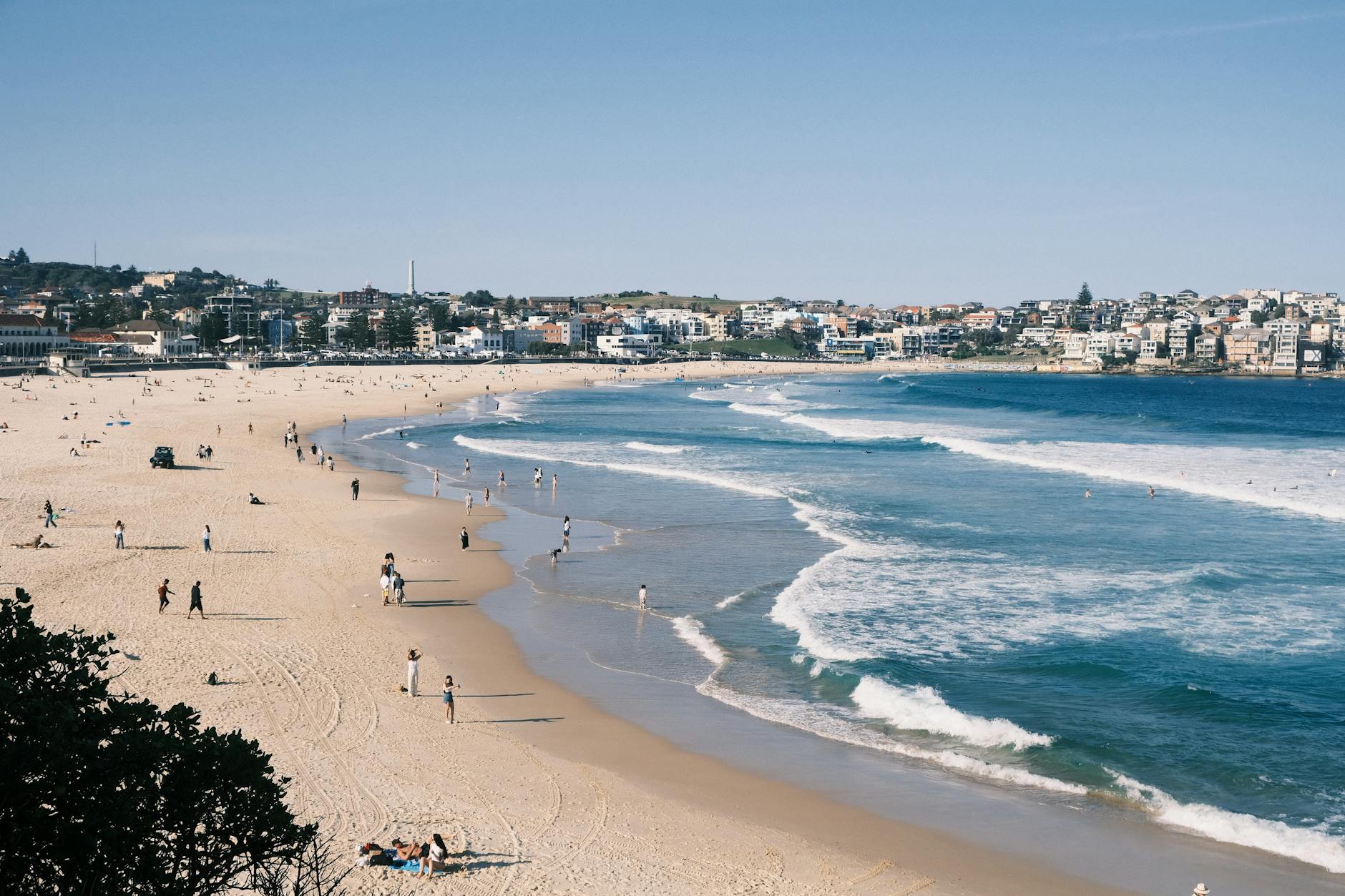
Australia’s Working Holiday Visa program remains one of the most popular pathways for young adults seeking adventure, cultural exchange, and the opportunity to fund their travels through short-term employment. In the 2025-2026 migration program year, the Department of Home Affairs has allocated 185,000 places across the skilled and family streams, with working holiday makers forming a significant component of the temporary visa intake. According to the Australian Bureau of Statistics, over 140,000 working holiday visa holders arrived in Australia during the 2024 calendar year, contributing an estimated $3.1 billion to the economy through tourism spending and seasonal labour.
This guide focuses on the Subclass 462 Work and Holiday Visa, designed for passport holders from specific partner countries. Whether you are planning your first application or looking to extend your stay, understanding the current requirements for 2026 is essential for a smooth process.
Understanding the Subclass 462 Work and Holiday Visa
The Subclass 462 visa allows young adults aged 18 to 30 (inclusive) from eligible countries to enjoy an extended holiday in Australia while working to support themselves. Unlike the Subclass 417 Working Holiday Visa, which covers a different set of nations, the 462 stream includes specific educational and English language prerequisites.
Key privileges of this visa include a stay of up to 12 months from the date of first entry, the ability to leave and re-enter Australia multiple times, and unrestricted study for up to four months. However, the core restriction remains the six-month work limitation with a single employer, a rule designed to encourage regional exploration rather than long-term corporate settlement.
Eligible Countries for 2026
The list of participating countries is updated periodically through bilateral agreements. As of May 2026, eligible passport holders for the Subclass 462 visa typically include citizens from Argentina, Austria, Chile, China, Czech Republic, Ecuador, Greece, Hungary, Indonesia, Israel, Luxembourg, Malaysia, Peru, Poland, Portugal, San Marino, Singapore, Slovakia, Slovenia, Spain, Switzerland, Thailand, Turkey, Uruguay, and Vietnam. The United States and the United Kingdom fall under the Subclass 417 stream, though the operational mechanics are similar.
It is critical to check the Department of Home Affairs legislative instrument immediately before applying, as annual caps apply to certain nationalities. Countries such as China, India, and Vietnam often operate under a capped ballot or invitation system, requiring a pre-application random selection process before a formal visa lodgement can occur.
Meeting the 2026 Eligibility Requirements
The eligibility criteria for the Australia Working Holiday Visa are strictly enforced. A single oversight in documentation can lead to a refusal and a potential bar on reapplication. The Department of Home Affairs has digitised much of the assessment process, but human scrutiny remains high on identity and character checks.
Primary Age and Passport Criteria
Applicants must hold a valid passport from an eligible country and be aged between 18 and 30 years old at the time of application. If you turn 31 before the application is decided, you are no longer eligible. The Department uses the date of birth on your passport as the definitive record, so ensuring no discrepancies exist between your application form and travel document is vital.
You must apply from outside Australia unless you are transitioning from another substantive visa under very specific bridging conditions. The visa grant notice will specify an initial entry date, usually 12 months from the grant, after which the 12-month stay period commences only when you clear immigration at the Australian border.
Educational and English Language Standards
Unlike the Subclass 417, the Subclass 462 mandates that applicants demonstrate functional English proficiency and hold a suitable educational qualification. Acceptable evidence of English includes an IELTS overall band score of 4.5, a TOEFL iBT score of at least 32, a PTE Academic score of 30, or a Cambridge English Advanced score of 147. Alternatively, you can rely on holding a passport from an English-speaking country or completing secondary education with English as the medium of instruction.
Regarding education, you generally must have completed at least two years of post-secondary study (such as a university degree or diploma). For specific nationalities, the completion of senior secondary education (high school certificate) is sufficient. The Department maintains a detailed matrix of country-specific educational requirements, and you must provide certified translations of documents not in English.
Financial and Character Requirements
You must prove you have access to sufficient funds to support your initial stay, typically AUD $5,000 for the main applicant. This can be demonstrated through recent bank statements in your name. A return or onward travel ticket, or additional funds to purchase one (usually an extra AUD $1,500 to $2,000), is also required.
All applicants must meet the character requirement by disclosing any criminal history. A full Federal police check from your home country and any country where you have lived for 12 months or more in the last decade is mandatory. The Australian government takes character provisions seriously; even minor offences must be declared and explained with court outcomes.
The Application Process and Costs for 2026
Navigating the application lodgement requires a methodical approach. The ImmiAccount portal remains the exclusive channel for online applications. The base visa application charge for the Subclass 462 visa in the 2026 financial year is AUD $635. However, additional costs for health examinations, police certificates, and biometrics can push the total pre-departure expense to approximately AUD $1,200 to $1,500.
Step-by-Step Lodgement Strategy
First, collate your identity documents: a clear colour scan of your passport bio-data page, birth certificate, and a recent passport-sized photograph. Next, prepare your supporting evidence for education and English. It is advisable to scan these as high-resolution PDFs under 5MB each to avoid upload errors in the portal.
Once documents are ready, create or log into your ImmiAccount and select the “New Application” option. Choose the “Work and Holiday Visa (462)” form. The system will dynamically adjust questions based on your nationality. Answer the health declarations truthfully; a false declaration can lead to a PIC 4020 fraud bar, potentially banning you for three years. After paying the visa fee via credit card or PayPal, you will receive a bridging visa notification if you are onshore, or a simple acknowledgement letter if offshore.
Health Examinations and Biometrics
Shortly after lodgement, the system will generate a Health Assessment Portal (HAP) ID if medicals are required. Most applicants from high-risk TB regions will need a chest x-ray and medical examination. You must use a panel physician approved by the Department. The results are uploaded directly by the clinic, usually within 48 hours, and remain valid for 12 months.
Biometrics collection is mandatory for many nationalities. You will receive a letter instructing you to visit an Australian Biometrics Collection Centre (ABCC) or a visa application centre. Do not delay this step; the processing clock often stops until your fingerprints and facial image are matched to your identity.
Specified Work and Visa Extension Pathways
One of the most significant features of the Australian working holiday program is the ability to extend the adventure. By completing specified subclass 462 work, you can apply for a second and even a third Working Holiday Visa, effectively extending your stay to 36 months.
Defining Eligible Specified Work
To qualify for a second-year visa, you must complete 88 days of specified work within your first 12 months. For a third year, you need 179 days of specified work during your second year. The definition of specified work was updated in 2026 to address critical labour shortages. It now heavily favours tourism and hospitality in northern or remote Australia, as well as traditional sectors.
Eligible industries include plant and animal cultivation, fishing and pearling, tree farming and felling, mining, and construction. Crucially, for the 2026 season, bushfire recovery work in declared disaster zones and critical COVID-19 healthcare work (if still applicable under transitional arrangements) may also count. The work must be paid in accordance with Australian workplace law; unpaid “volunteer” work is strictly excluded from the count. You must keep detailed payslips and a completed Form 1263 Employment Verification, signed by your employer, as the primary evidence.
The 88-Day Calculation Rule
The definition of a “day” of specified work is a source of frequent confusion. A standard day is defined as a normal workday for that industry. If you work a 10-hour shift, it still counts as one day. You cannot count more than one day of work in a single calendar day, even if you work for two separate employers. The work does not need to be continuous; you can accumulate the 88 days across multiple employers and locations within the eligible postcode zones.
It is critical to cross-reference your employer’s physical work address with the postcode list provided by the Department. Working for a registered business with a head office in a city but actually performing labour on a remote farm is generally eligible, provided the payslips and verification form state the physical location of the work.
Regional Work Postcodes and Compliance
The Australian government incentivises working holiday makers to disperse into regional areas. The specified postcode list is the definitive map for compliance. Generally, the entire territories of the Northern Territory, South Australia, and Tasmania are eligible. However, in states like New South Wales, Victoria, and Queensland, only postcodes classified as “regional” or “remote” qualify.
For the hospitality and tourism sector, the geographic restriction is tighter, often limited to Northern Australia above the Tropic of Capricorn or very remote areas elsewhere. You can verify your eligibility by searching the postcode of your accommodation or worksite on the Department of Home Affairs website. A common mistake is accepting work in a coastal city like Cairns (postcode 4870) under the assumption it is entirely regional, when in fact specific tourism jobs there may not meet the “remote” threshold unless they involve specific service to indigenous communities or island resorts.
Health Insurance and Tax File Numbers
Health insurance is not a visa condition for the Subclass 462, but it is strongly recommended. Australia has a Reciprocal Health Care Agreement (RHCA) with some participating countries (like the UK, Italy, and Belgium), which covers medically necessary care under Medicare. However, this does not cover ambulance services, dental care, or repatriation. Overseas Visitors Health Cover (OVHC) is a wise investment to avoid crippling medical debt.
Upon arrival, you must apply for a Tax File Number (TFN) through the Australian Taxation Office (ATO). You cannot legally work without one. Without a TFN, your employer must withhold tax at the top marginal rate of 47%. The “Backpacker Tax” regime applies to working holiday makers, taxing the first AUD $45,000 of income at a flat 15% rate, with no tax-free threshold. You must lodge a tax return at the end of the financial year (June 30) to potentially claim back overpaid tax.
Frequently Asked Questions
Can I study full-time on a Work and Holiday Visa? No. You can only study for a maximum of four months. If you intend to undertake a longer course, you must apply for a Student Visa (Subclass 500) and cease your working holiday status.
What happens if I turn 31 during my visa? The age limit applies at the time of application. If you are 30 when you apply and turn 31 while holding the visa, your visa remains valid until its expiry date. You cannot, however, apply for a second-year visa if you have already turned 31 at the time of that new application.
Can I bring my partner or children? The Work and Holiday Visa is an individual visa. You cannot include family members. If your partner wants to come, they must apply for their own eligible visa independently. Dependent children cannot be added to this visa subclass.
Is the visa application fee refundable if I am refused? No. The Visa Application Charge (VAC) is paid for the processing of the assessment, not for the grant. If your application is refused, the fee is not refunded.
References
- Department of Home Affairs. (2026). Work and Holiday visa (subclass 462) – Eligibility and document checklist. Commonwealth of Australia.
- Australian Taxation Office. (2026). Working holiday makers – income tax rates and TFN application. Australian Government.
- Australian Bureau of Statistics. (2025). Overseas Arrivals and Departures, Australia – Short-term visitor arrivals by visa type. ABS Catalogue No. 3401.0.
- Fair Work Ombudsman. (2026). Minimum workplace entitlements for visa holders. Australian Government.
- Department of Home Affairs. (2026). Migration (Specified Work and Areas for Subclass 462) Instrument 2026. Federal Register of Legislation.